

Fire Pit With Chiminea
Chiminea fire pits resemble cloves of garlic or tulip bulbs with their rounded bases and long chimneys. They can withstand rain, but must be kept in a sheltered area. They are ideal for a couple of people to relax and warm up.
They also emit particulate emissions that contribute to air pollution. However using kiln dried and seasoned wood can reduce this impact.
They are portable
A fire pit with a chiminea is the perfect way to keep your outdoor space warm and cozy when the sun goes down. These portable fireplaces that burn wood are ideal for backyards and patios. They're also a fun alternative to the traditional fire pit or gas grill. These fireplaces are also great for those with limited space.
If you're considering installing a chiminea into your backyard, it's important to ensure it's placed. Chimineas require plenty of open space around them to prevent the spread of smoke or fire. Avoid placing it near your home or outdoor seating area, or gardens to limit the chance of damage from hot embers. Ideally, you should place it in the corner of your patio or a flat patch of grass.
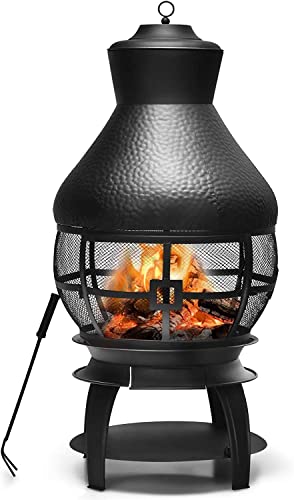
Chimineas are made from many different materials, such as clay, terracotta and cast iron. They're also available in wide range of styles and designs, ranging from traditional to modern. Cast iron chimineas are more durable than clay or terracotta models, which can crack under high temperatures. They can withstand a higher temperature range and are suitable for cooking, which was the main purpose of Chimineas.
Similar to fire pits, chimineas can be easy to clean and maintain. To keep your chiminea looking the best you must apply an acrylic finish or sealer before applying it and then reapply it every six to eight weeks over the seasons of use. Additionally, buy a chiminea cover and keep it in a shed or garage in the event of bad weather.
The chiminea chimney directs smoke upwards. This will reduce the amount of smoke that you or your neighbors are exposed to. It is essential to use a fuel that is safe, like kiln dried wood. The fuel you choose to use should be easy to light and burn for a long duration. It will also burn more efficiently and lessen the smell of smoke.
Once you've used your chiminea you can safely and legally dispose of the remains. Contact your local recycling organization for advice if you're not sure how to proceed. You can also add a layer of pea gravel or lava rock on the bottom of your chiminea. This will assist with cleaning as well as heat retention.
They are simple to put together
A fire pit and chiminea are a great way of adding warmth and style to any outdoor living area. They are easy to set up and create a cozy atmosphere for relaxing or socializing with friends and family. They come in various sizes and styles to fit your home and landscape. Some are portable and can be used for a variety of uses. They can also be positioned either above or below the ground. Some are designed for cooking and cooking, while others are for decorative.
Make sure your chimenea clean and ready to use prior to using it. Add kindling to the top and light it. Then, allow it to burn for at least 15 minutes before adding more of the kindling. You can also use a bucket of water or a long lighter. It is crucial to remember that water shouldn't be used to extinguish a fire chimenea. The sudden change in temperature could cause the clay or terracotta to crack.
When choosing a chimney you must take into consideration the overall appearance and design of the chiminea. A chiminea that is crooked will not perform as well as one that is straight. It is also important to take into account the kind of material it is made from, as different types can be able to withstand different temperatures. For instance, metal can withstand higher temperatures than clay or Terracotta. It is also recommended to select an chimenea that is simple to maintain.
Chimineas are designed to be placed on a hearth for your patio, which is a 3-by-4-foot space on your deck or covered with pavers or other materials that are fireproof. see this here is essential that the hearth isn't close to your home or other outdoor seating areas as smoke can damage furniture or the structure of your home. In addition, it is crucial to place the chiminea where the wind patterns move smoke away from the house rather than towards it.
The major difference between the fire pit and Chiminea is that a chiminea has a chimney that will direct the smoke upwards and away from the fire. This reduces smoke and soot produced by the fire. Additionally the chiminea's body has a smaller opening in the body, which may restrict how large of logs you can use and reduces the amount of heat it generates. The fire pit is more open, and can take larger logs. This generates more heat, and could warm up a larger area.
Sandpaper is easy to clean
You need to follow a few steps to cleaning your Chiminea. You should sweep and vacuum your firepit and clean up any ash or debris. This will help prevent the accumulation of debris and ensure that the chiminea operates properly. Also, you should inspect the chiminea frequently for cracks and chips. Repair any damage as soon as you spot it.
Chimineas made from clay are prone to cracking, but with the right maintenance, they can last as long as metal ones. It is crucial to cure your clay chiminea prior to using it. This involves putting up small fires both outside and inside until the clay has developed heat resistance. After it has been dried, you can begin larger fires and enjoy your chiminea for years to be.
In addition to sweeping the exterior, you must regularly clean the grate or grill. This will help prevent the accumulation of ash and food debris and keep your chiminea safe from accidental spills. A wire brush and a mild dish soap is enough to get the job done However, be sure you wash thoroughly afterward. When not in use, you should cover your chiminea to shield it from the weather.
You can make use of clay or cast iron to create a Chiminea for your garden or patio. Both are attractive and can provide warmth and an atmosphere. However the clay chimineas tend to be easier to maintain than metal counterparts. They are easy to repaint and do not rust. They are also more secure to use since they don't heat up as much.
When you're ready for starting a fire, begin with five or four newspaper sheets that have been scrunched up and some kindling. After the kindling has been burning gently for an hour and a half, add a few parts of kiln-dried wood and let them burn for an additional hour. You could also use some wood logs. However, do not use more than one log at a time. After the fire has cooled down, remove the newspaper as well as the smoldering logs. Keep in mind that chimineas can remain hot for a long time after being removed. Take care when handling them.
You can afford it
The fire pit with the chiminea gives the warmth and ambiance of an traditional outdoor chimney while remaining compact and adaptable. They are also reasonably priced, making them a great addition to any outdoor space. These open-flame units have wide bases that slop to create a chimney. Some are handcrafted and provide a unique look to your patio's design. They are available in a variety of materials, including clay, terracotta and iron. While traditional chimineas burn wood, certain models are capable of burning charcoal as well.
Chimineas can be positioned on a patio hearth or any other fire-proof surface however, they shouldn't be placed beneath any structures such as eaves, roofs, and deck railings that could catch on fire. They must also be kept away from powerlines and overhanging foliage as they could easily become hot to the contact.
The best chiminea for your home is based on your needs and style preferences. For example, a steel chiminea that has a bronze finish will add a stylish look to any contemporary garden layout, while a cast iron model is more appropriate for traditional landscapes. Both are ideal for outdoor dining areas or as the central point of your backyard, and are sure to impress guests and friends.
It is important to consider your budget and needs when selecting the right chiminea. First, determine what you want your fire pit to do: heat your space or provide a cozy glow? Choose the appropriate size and shape to suit your space. A chiminea that's too big will overwhelm smaller spaces while an unsuitable chiminea won't generate enough heat.
You must prepare the area before using a chiminea. You can do this by placing a layer sand on the base. Then, you can place a small amount of paper and wood in the middle. Then, light the wood and paper and let it melt to ashes prior to adding more fuel. Sand protects the chiminea from fuel spills.
Once the fire has burnt to ashes and you are able to remove the ash from the chiminea, and replace it with sand, or mulch. Avoid placing water directly on the embers below because this could cause damage to terracotta or clay the chimineas and cause corrosion to metal chimineas.